

 FLORA
FLORA
 SPACE
SPACE
 INTERSTELLAR
 BRIGHT MIRROR
 KUZ
KUZ
ExDivo FLORA 40K Disposable Vape
$ 14.99
$ 41.99
🥳 Free shipping on all orders of 30 or more.
🥳 Free shipping on all orders of 30 or more.
🥳 Free shipping on all orders of 30 or more.
🥳 Free shipping on all orders of 30 or more.
🥳 Free shipping on all orders of 30 or more.
🥳 Free shipping on all orders of 30 or more.
🥳 Free shipping on all orders of 30 or more.
🥳 Free shipping on all orders of 30 or more.
🥳 Free shipping on all orders of 30 or more.
🥳 Free shipping on all orders of 30 or more.
🥳 Free shipping on all orders of 30 or more.
🥳 Free shipping on all orders of 30 or more.
🥳 Free shipping on all orders of 30 or more.
🥳 Free shipping on all orders of 30 or more.
🥳 Free shipping on all orders of 30 or more.
🥳 Free shipping on all orders of 30 or more.
🥳 Free shipping on all orders of 30 or more.
🥳 Free shipping on all orders of 30 or more.
🥳 Free shipping on all orders of 30 or more.
🥳 Free shipping on all orders of 30 or more.
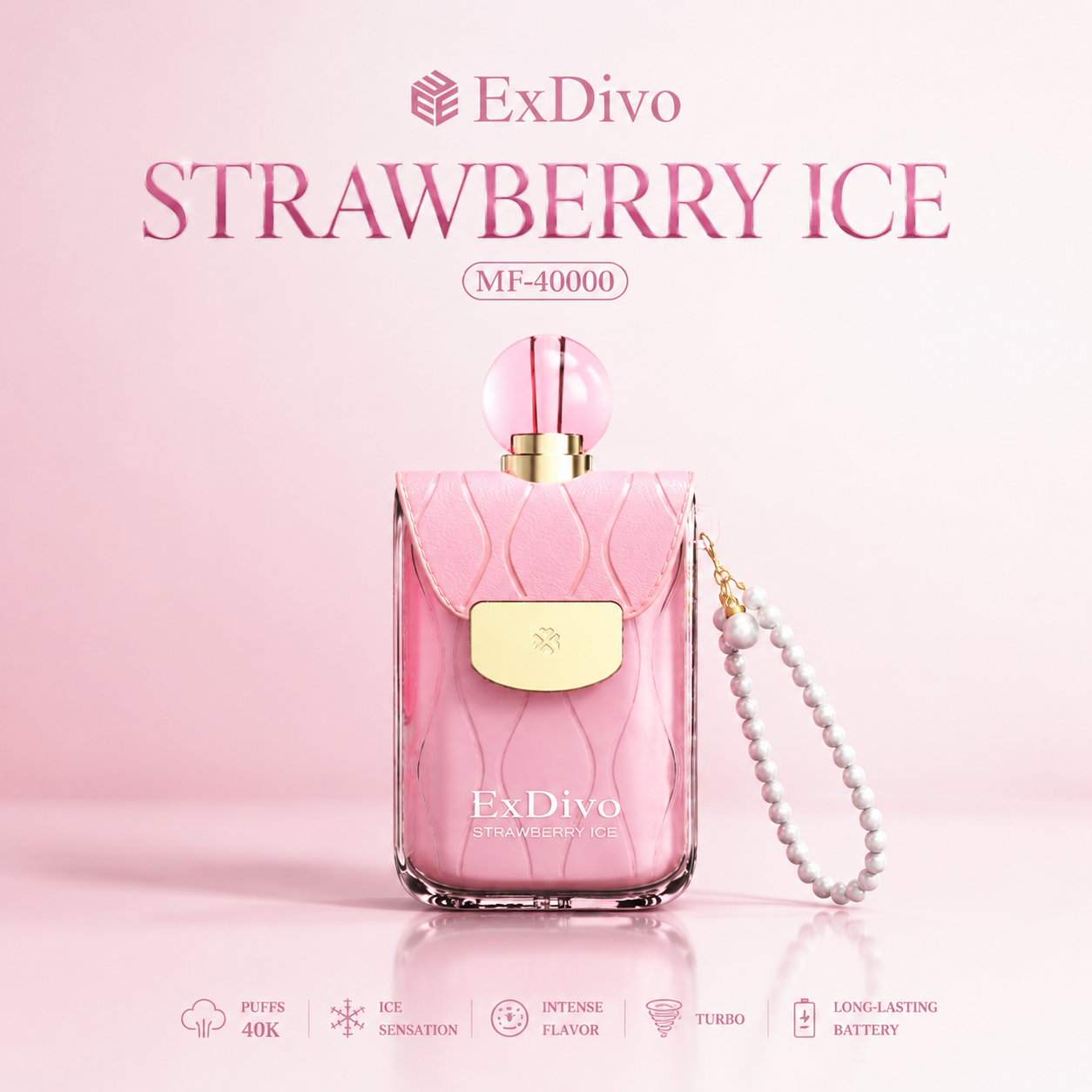
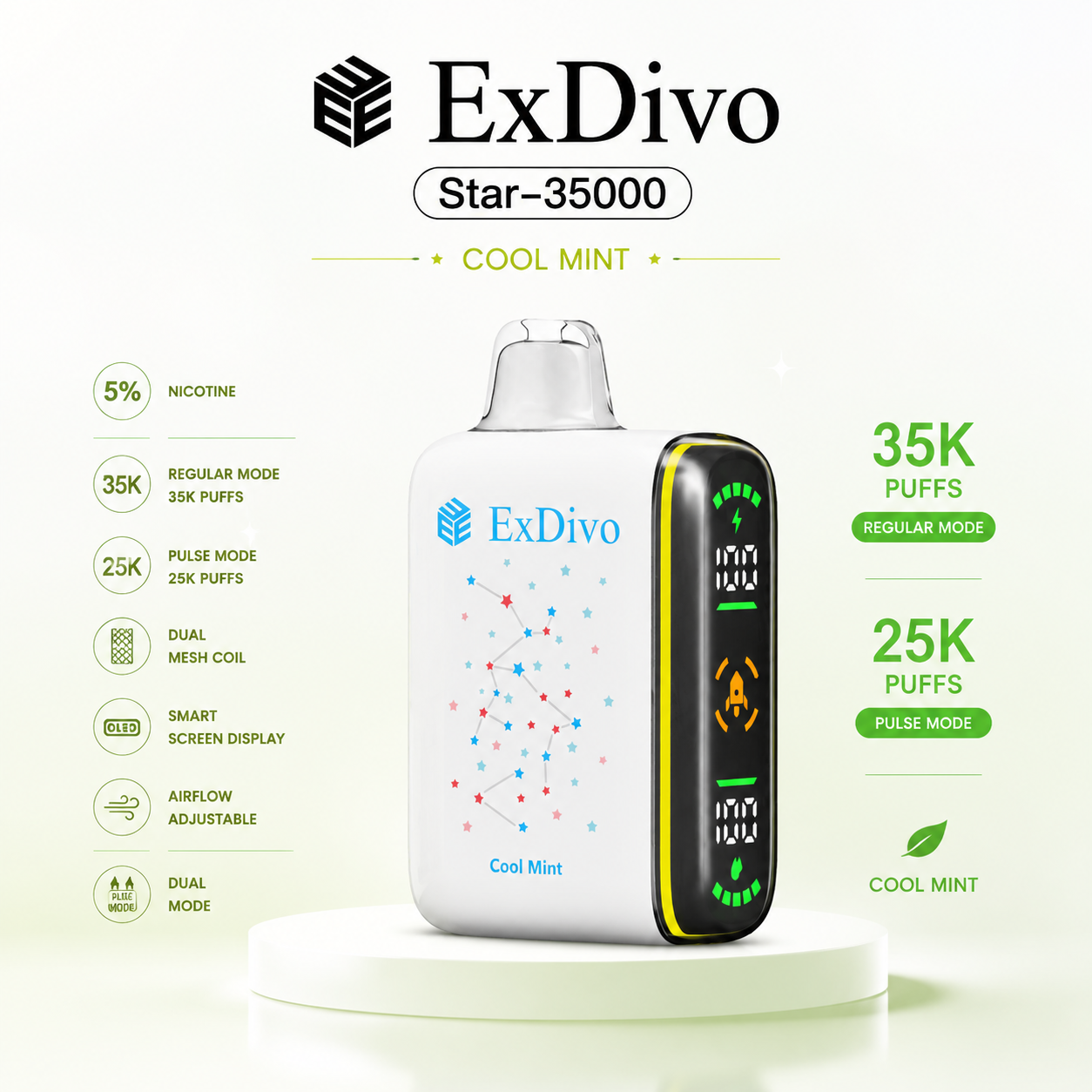
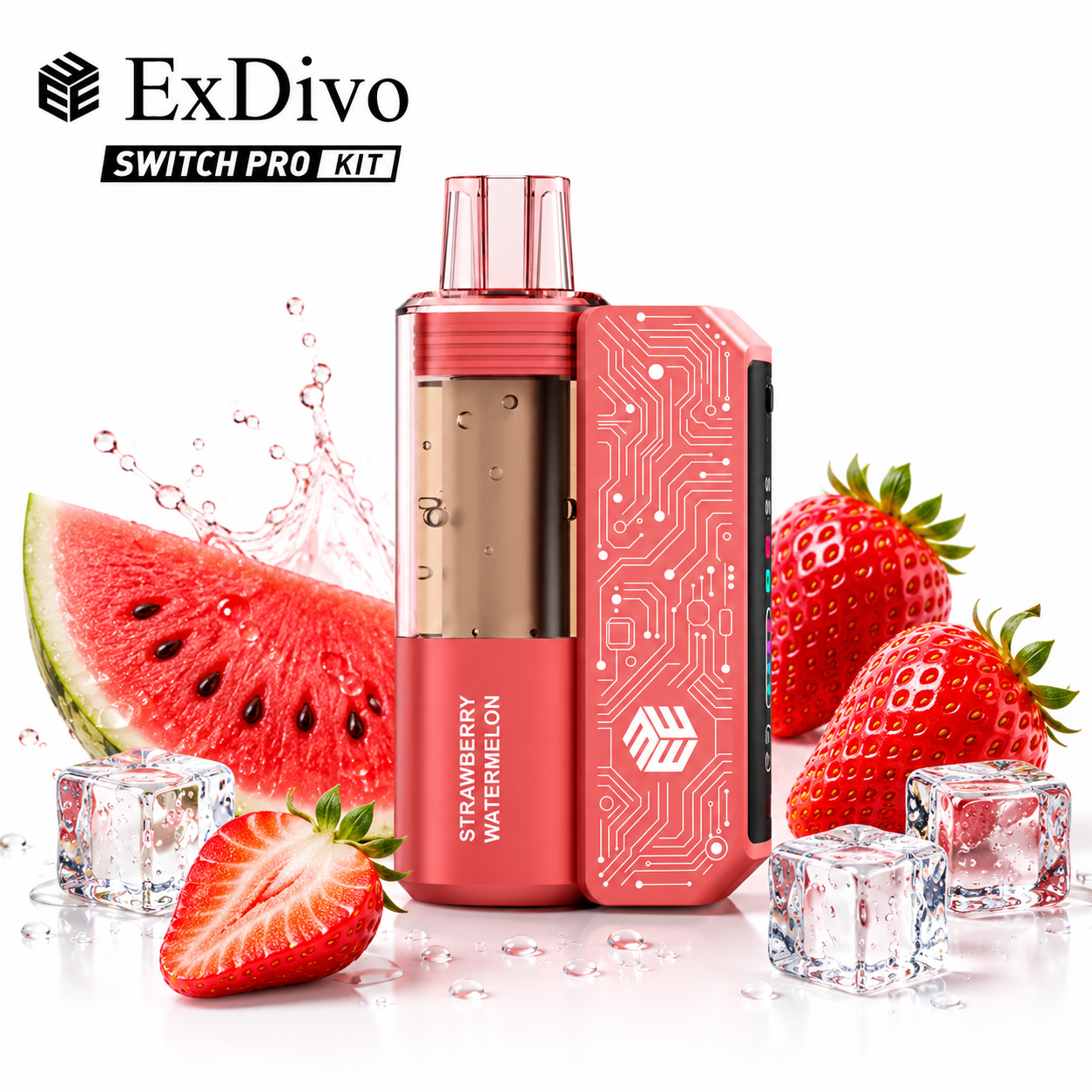
Most vapes contain a battery, control circuit or draw sensor, heating coil or mesh, wick, pod or tank, airflow path and mouthpiece. The e-liquid commonly contains propylene glycol (PG), vegetable glycerin (VG), flavorings and, in many products, nicotine. Heating creates an aerosol; it is not simply water vapor.
This article is an adult-facing, non-promotional explanation. Exact components, nicotine strength and charging requirements vary by product, so the device label and manufacturer instructions remain the source for product-specific facts. Do not open or puncture a sealed device.
Open a product description for almost any vape and you will see terms such as battery, coil, pod, mesh, PG, VG and nicotine strength. But what is actually inside a vape, and what happens between the moment a device activates and the moment an aerosol is produced?
The short answer is that most vapes combine two systems: hardware that supplies controlled electrical heat and an e-liquid formulated for that device. The hardware usually includes a battery, a control or activation mechanism, a heating element, a wick, a liquid reservoir and an airflow path. The liquid commonly includes propylene glycol (PG), vegetable glycerin (VG), flavorings and, in many products, nicotine. The exact design and formulation vary by product, so a generic list is not a substitute for the label and instructions supplied with a specific device.

A conceptual component map, not a disassembly guide. Do not open, puncture or modify a sealed vape.
Vapes come in different shapes and sizes, but the operating chain is broadly similar. The CDC's overview of e-cigarettes describes the common core as a battery, a heating element and a place to hold liquid.
| Part | What it does | What an adult user should know |
|---|---|---|
| Battery | Supplies electrical power | Capacity and charging design vary. Use only the charging method specified by the manufacturer. |
| Control board or sensor | Activates and regulates power | Some devices use draw activation; others use a button. Protection features and power settings are product-specific. |
| Pod, cartridge or tank | Holds e-liquid | It may be prefilled, replaceable or refillable. A sealed disposable is not designed to be opened or refilled. |
| Wick | Draws liquid toward the heater | Insufficient saturation can contribute to a dry or burnt-tasting puff. Follow the product instructions instead of trying to access the wick. |
| Coil or mesh heater | Converts electrical energy into heat | Coil material, resistance and power affect heating behavior and aerosol output. |
| Airflow path | Carries air past the heated liquid and toward the mouthpiece | Condensation or blockage can affect the draw. Clean only the areas the manufacturer says are user-serviceable. |
| Mouthpiece | Directs the aerosol | Keep it clean and do not share the device. |
| Display or indicators | Reports selected device information | Depending on the model, this may show battery level, liquid level, mode or a puff estimate. It does not measure every aspect of product condition. |
If you want to compare how these parts are packaged across disposables, pod systems, vape pens and refillable devices, see ExDivo's guide to different types of e-cigs.
The sequence is simple at a high level:
That last output is often called “vapor,” but aerosol is the more accurate term. It is not simply harmless water vapor. Device power, coil condition, airflow, liquid formulation and the way a person puffs can all change what the device produces. A puff counter, where present, records an estimate or activation count; it is not a laboratory measurement of dose.

The FDA's current overview of electronic nicotine delivery systems says e-liquid usually contains nicotine, flavorings, propylene glycol, vegetable glycerin and other ingredients. “Usually” matters: not every formulation contains the same ingredients or concentrations.
PG is a liquid carrier used in many e-liquid formulations. It is less viscous than VG and helps carry flavor components. The PG/VG balance can affect liquid thickness and how a formulation behaves in a particular coil and wick system.
VG, also called glycerol, is a more viscous liquid carrier. Formulations with a higher proportion of VG often produce a denser visible aerosol, but that does not make them suitable for every device. A liquid that is too thick or too thin for a particular pod or coil can perform poorly.
Flavor formulations can contain multiple compounds. A label may identify a flavor profile without listing every individual flavor constituent. Importantly, “food grade” does not mean a substance has been established as safe to inhale. The CDC notes that the lungs process substances differently from the digestive system, so an ingredient's use in food does not automatically answer questions about inhalation.
Many e-liquids contain nicotine, which is addictive. The form and concentration vary. A label may express concentration as a percentage or in milligrams per milliliter, and those formats should not be compared without understanding the units. Do not assume that device size, puff count or flavor predicts nicotine concentration; check the product label.
Some products are sold as nicotine-free, but that is a product-specific claim rather than a rule for vaping as a category. The CDC reports that some products marketed as containing zero percent nicotine have nevertheless been found to contain nicotine. This is one reason source, labeling and product traceability matter.
Products may contain additional ingredients that support a particular formulation. The precise list can vary, and a general article cannot verify the composition of an individual product. If an ingredient list or nicotine statement is missing or unclear, do not fill in the gap with assumptions.

The liquid in the reservoir and the aerosol leaving the mouthpiece are not identical descriptions of the same thing. Heating creates an aerosol and can change the mixture to which a user is exposed. Temperature, power, coil material, wick saturation, formulation and puff pattern all influence that process.
According to the CDC's page on the health effects of vaping, e-cigarette aerosol can contain nicotine, tiny particles, volatile organic compounds, heavy metals such as nickel, tin and lead, flavorings such as diacetyl, and other harmful or potentially harmful substances. This does not mean every product contains every listed substance at the same level. It means the output should not be treated as clean air or harmless water vapor.
The most useful consumer takeaway is not to memorize a long chemical list. It is to understand that:
Adults who have never used tobacco or nicotine products should not start. E-cigarettes should not be used by youth, young adults or people who are pregnant.
For an adult who already uses vaping products, a careful product check is more useful than relying on packaging impressions or a large puff number.
Is it a sealed disposable, a replaceable prefilled pod, a refillable pod or a tank system? The format determines which parts are replaceable and which should remain sealed. If the listing is unclear, do not assume a disposable can be refilled or that any pod will fit.
Check whether nicotine is present and how its concentration is expressed. Do not estimate nicotine content from flavor, device size or claimed puff count.
A rechargeable device should identify its charging port and any relevant charging instructions. A port's physical shape alone does not prove that every charger or power source is appropriate. ExDivo's vape safety and beginner basics guide explains why the manufacturer instructions should be the first reference.
Useful information includes the manufacturer or responsible company, model name, warnings, ingredient or nicotine information, instructions and a way to report a problem. Vague or contradictory details are a reason to pause.
In the United States, FDA marketing authorization is not the same as a declaration that a product is safe or “FDA approved.” For current regulatory context, use the FDA's official list and ExDivo's explanation of which e-cigarettes are FDA-authorized, then verify claims against the FDA source itself.
Battery capacity, liquid capacity, coil type, display behavior and estimated puff count should come from the current product listing. For an example of how ExDivo presents a particular device family, you can review the Bright Mirror collection. A collection page is appropriate for current model information; this article is the general education layer.
An exploded-view illustration can help explain the concept, but physically opening a sealed device introduces avoidable risks. It may expose liquid, damage the cell, create a short circuit or make a product unsafe to charge. Do not puncture, crush, modify or refill a device that is not designed for user servicing.
If a device is leaking, unusually hot, swollen, damaged or behaving unpredictably, stop using and charging it. Keep e-liquid away from children and pets, avoid skin or eye contact, and follow local disposal guidance for batteries and electronic waste.
The liquid commonly includes PG, VG, flavorings and often nicotine, plus formulation-specific ingredients. The aerosol can also contain particles, volatile organic compounds, metals and other substances. The exact composition varies, so no universal list describes every product.
No. A vape produces an aerosol: a mixture of small droplets, particles and chemical constituents. “Vapor” is common everyday language, but it can create the wrong impression that the output is only water.
No, but many e-cigarettes contain nicotine. Check the label rather than assuming. Nicotine is addictive, and a device's appearance or flavor does not reliably indicate whether it contains nicotine.
There is no reliable universal conversion. Nicotine delivery varies with the device, liquid concentration, power, coil, puff duration and user behavior. A simple one-puff equation can be misleading.
No. They are common liquid carriers, but formulations may also contain flavor compounds, nicotine and other ingredients. Heating behavior and device materials also matter when considering the resulting aerosol.
You should not. Use diagrams and manufacturer documentation. Opening or modifying a sealed device can expose liquid and damage the battery or electrical system.
Understanding what is inside a vape requires looking at both halves of the system. The device contains a power source, controls, a heater, a wick, a liquid reservoir and an airflow path. The e-liquid commonly contains PG, VG, flavorings and often nicotine. Once heated, that liquid becomes an aerosol whose composition depends on both the formulation and the device.
For adult consumers, the practical next step is to read the specific product label, verify nicotine and device information, follow the charging and use instructions, and avoid opening or modifying sealed hardware. General education can explain the system; only current, traceable product information can describe a particular vape.
This article is for adult consumer education. It is not medical advice and does not claim that vaping is safe. Youth, young adults, people who are pregnant, and adults who have never used tobacco or nicotine products should not use e-cigarettes.